FSC-Certified and Recycled Materials: Sustainable Packaging Without Compromise
How FSC certification and recycled content work in paper packaging, and how to verify claims from your supplier.
Sustainability claims are under increasing scrutiny. For packaging buyers, FSC certification and recycled content are the two most concrete ways to prove environmental responsibility. Here is what they really mean and how to verify them.
FSC certification: what it covers
FSC (Forest Stewardship Council) certification traces paper fiber back to responsibly managed forests. It applies to the whole chain: forest, mill and converter. A box printed with the FSC logo needs a valid chain-of-custody certificate. Ask your supplier for their certificate number and verify it on the FSC public database—it takes two minutes.
Recycled content: post-consumer vs post-industrial
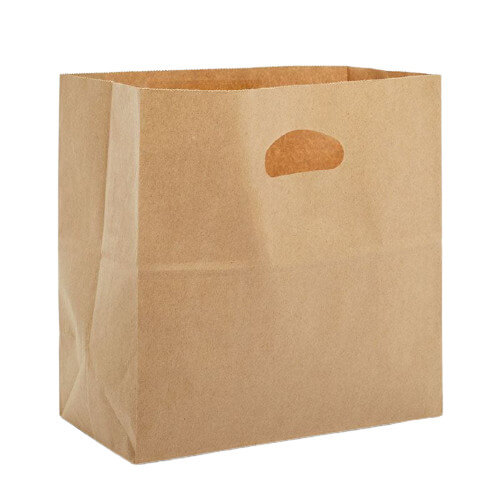
Recycled paper can contain post-consumer waste (from household recycling) or post-industrial waste (production offcuts). Post-consumer content is the stronger claim. Recycled kraft paper often has a slightly darker tone and visible flecks—this is normal and can even be a brand asset. See our recycled kraft options.
What you can claim honestly
You can claim: "made with 100% recycled fiber," "FSC-certified paper," or "plastic-free and home-compostable" if the coating meets the standard. Avoid vague terms like "eco-friendly" without evidence. Keep your certification documents in one folder—retailers and regulators increasingly ask to see them.
Cost and availability
FSC-certified paper costs roughly 5–10% more than standard paper. Recycled content is broadly available in kraft and coated grades. For most buyers, the premium is small and the marketing value is large.
Ask us for FSC and recycled material options with certificates included in your quotation.