
Rigid Gift Boxes: The Complete Buyer's Guide
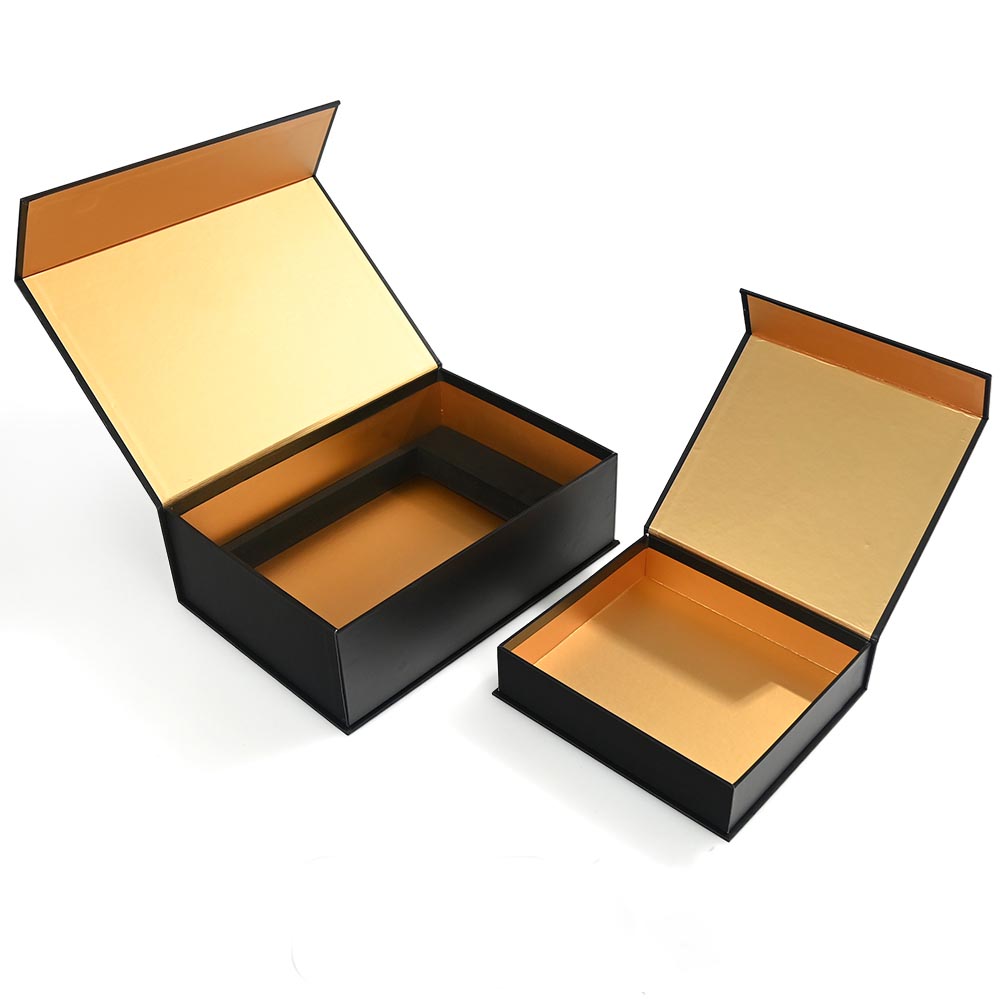
A practical guide to sourcing rigid gift boxes: construction, materials, finishing, MOQ and how to brief your supplier.
Rigid gift boxes are the gold standard in premium packaging. Their thick, crush-proof structure and high-end feel make them the first choice for cosmetics, jewelry, watches and luxury spirits. For buyers sourcing from China, understanding how rigid boxes are built is the key to getting quality without overpaying.
How rigid boxes are constructed
A rigid box (also called a setup box) starts with greyboard sheets that are cut, scored and wrapped with printed paper. The greyboard thickness—typically 1.5mm to 3.0mm—determines the structural rigidity. The wrapping paper can be art paper, textured paper, leather-textured PU or fabric. Because the box is assembled by hand wrapping rather than folding, the achievable detail is far higher than folding cartons.
Browse our rigid gift box collection to see the construction styles we produce.
Key specifications to define
When you request a quote, define these five points: (1) greyboard thickness, (2) wrapping material and finish, (3) interior—foam insert, velvet tray, ribbon or magnetic closure, (4) printing effects such as foil stamping and embossing, and (5) packaging per carton to protect corners during shipping.
MOQ and lead time
Rigid boxes are labor-intensive, so most factories set a minimum order quantity around 500–1,000 pieces. Standard production lead time is 25–35 days after sample approval. If you need a faster first order, ask about semi-finished stock that can be wrapped with custom paper in a shorter window.
What drives the price
Hand wrapping is the biggest cost factor, followed by the magnetic or ribbon closures and custom inserts. Keep the structure simple for volume orders and add finishing effects only on the lid for a visible premium touch at lower cost.
Ready to source? Send us your design and target price—we respond with a detailed quotation and free samples within 48 hours.