Kraft Paper Bags vs Laminated Bags: Material Science for Buyers
Kraft vs laminated paper bags: strength, feel, print quality, cost and when to choose each for your brand.
Paper bags are the most common packaging SKU in retail, but the material choice between kraft paper and laminated (coated) paper changes everything—from feel and strength to printing quality and cost. This guide helps you choose the right construction for your product.
Kraft paper: natural, strong, sustainable
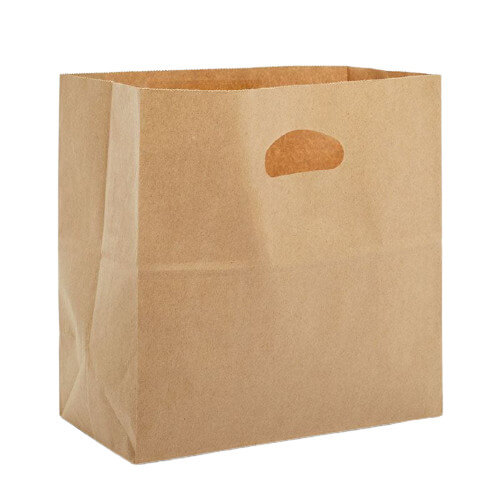
Kraft paper is unbleached and keeps its natural brown or beige tone. It is tear-resistant and has that eco-friendly look that fits organic, artisan and sustainability-led brands. Standard weights range from 70gsm to 120gsm. Kraft bags accept flexo printing well, which keeps unit cost low. See our kraft paper bags for common constructions and handle styles.
Laminated and coated paper: color and gloss
Laminated paper uses a white coated base (CCK or art paper) with a glossy or matte film. It reproduces full-color logos, gradients and photographic designs far better than kraft. If your brand relies on vivid CMYK printing, laminated bags are the safer choice. The coating also adds water resistance and a smooth premium touch.
Cost and MOQ comparison
Kraft bags are roughly 20–30% cheaper per unit than laminated bags at the same size and handle type. MOQs for both start around 500–1,000 pieces. Handle options—twisted paper, rope, cotton or die-cut—affect cost more than the paper choice itself.
Which should you choose?
Choose kraft for: eco positioning, flexo single-color prints, and cost-sensitive volume orders. Choose laminated for: full-color branding, cosmetics and apparel retail, and glossy premium shelves. Many brands run both lines for different price tiers.
Tell us your products and quantities—our team will recommend the right paper, handle and print method with a clear price comparison.