Food-Safe Packaging: Standards for Takeaway Bags
What food-safe certification means for paper bags and boxes, and how to verify your supplier meets export standards.
When packaging touches food—even indirectly—safety standards become a buying requirement. Takeaway bags, lunch boxes and bakery boxes must meet food-contact regulations in their destination markets. Here is what buyers should verify.
Key certifications to look for
For the US market, ask for FDA food-contact compliance. For the EU, look for conformity with EC 1935/2004 and the migration limits of EU 10/2011. Many Chinese exporters also hold BRC or ISO 22000. Ask your supplier for test reports covering heavy metals, phthalates and migration into food simulants—any serious factory can provide them.
Materials that matter
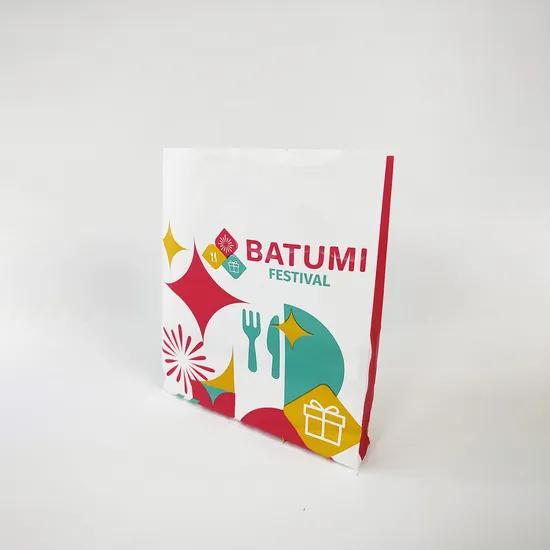
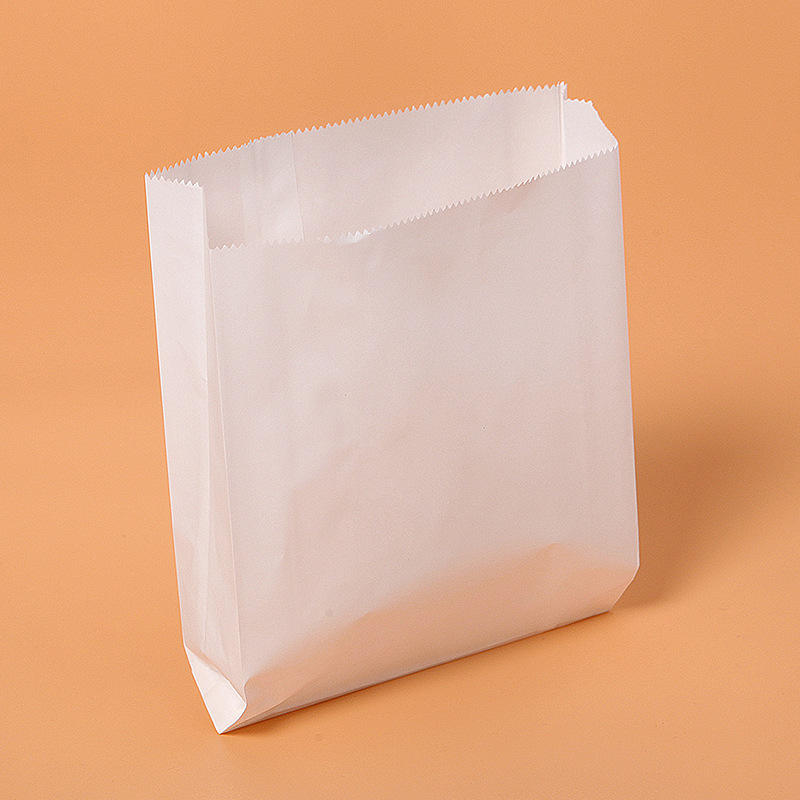
Uncoated kraft paper is naturally safe for dry and greasy food when the ink is food-safe. For oil resistance, manufacturers apply a water-based or PE-free barrier coating instead of a plastic film. Our food takeaway bags use food-grade inks and papers that meet export requirements.
Ink and print safety
Food-contact packaging should avoid printing directly on the inside surface. If inside printing is needed, it must use food-grade inks. Keep prints on the outside, and for window bags verify the film is food-grade too.
What to ask in your RFQ
Request: (1) food-contact test reports, (2) a declaration of compliance, (3) material specifications with GSM, and (4) proof of factory audit. A supplier that can produce these documents is one that manages quality systematically.
Contact us for food-grade packaging options with full certification documents for your market.