Eco-Friendly Takeaway Packaging: What Restaurants Should Stock
Eco-friendly takeaway options: uncoated kraft, PLA-free coatings, compostable claims—and what actually works in food service.
Takeaway packaging is moving away from plastic as cities introduce bans and customers vote with their wallets. For restaurants and food brands, choosing genuinely eco-friendly packaging means understanding what each material can and cannot do.
Uncoated kraft: the simple baseline
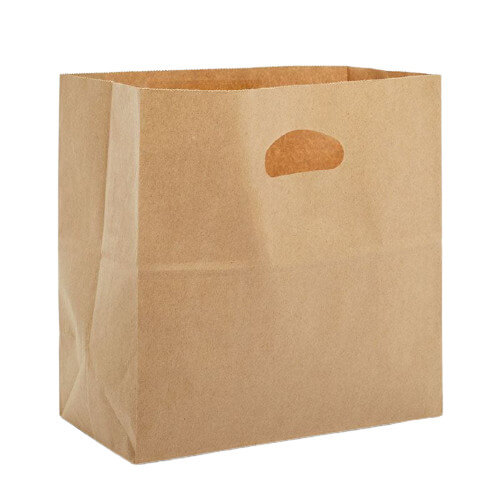
Plain kraft paper bags and boxes are recyclable, home-compostable in most cases, and perfectly adequate for dry and lightly greasy food. They are the most affordable eco option and read clearly as sustainable to customers. Our food takeaway bags are available in food-grade kraft with safe inks.
Barrier coatings: oil resistance without plastic
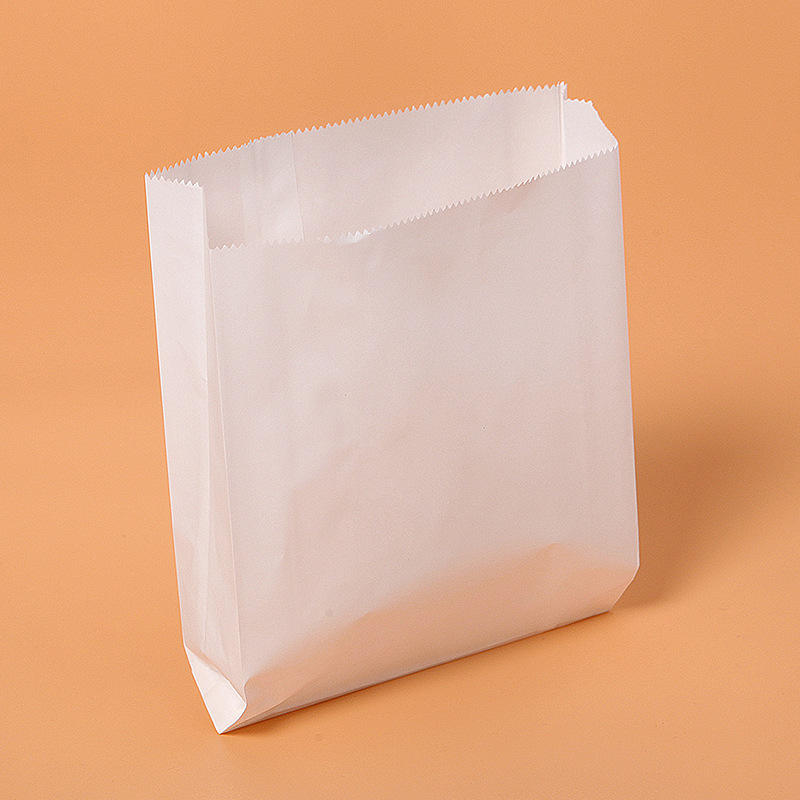
For greasy or saucy food, paper needs an oil barrier. Water-based dispersions and PLA-free coatings provide grease resistance while staying recyclable and compostable. Avoid products that claim "biodegradable" but contain a thin plastic film—these contaminate recycling streams.
What the claims really mean
Compostable means certified to break down in industrial composting facilities (EN 13432 or ASTM D6400). Recyclable means it can be processed in paper recycling. Home-compostable is a stronger and less common claim. Check which standard applies in your market and whether your local waste infrastructure supports it.
Costs and supply
Eco packaging costs 10–30% more than conventional options, with the premium falling as volumes grow. Ordering standard sizes in volume reduces the gap. Many brands offset the cost by featuring sustainability in their marketing—customers accept and even expect the difference.
Tell us your menu and volumes for a recommendation that balances cost, function and sustainability.